Cemetery Memorials at Hazelwood: What Families Need to Know
Choosing a cemetery memorial for a loved one is one of the most meaningful decisions a family can make. Understanding the process in advance can make it far less overwhelming. This article covers the types of memorials available at Hazelwood, how to choose between them, what the approval process involves under Victorian law, and how a professional monumental mason can guide you through every step.
Types of Cemetery Memorials Available at Hazelwood Cemetery
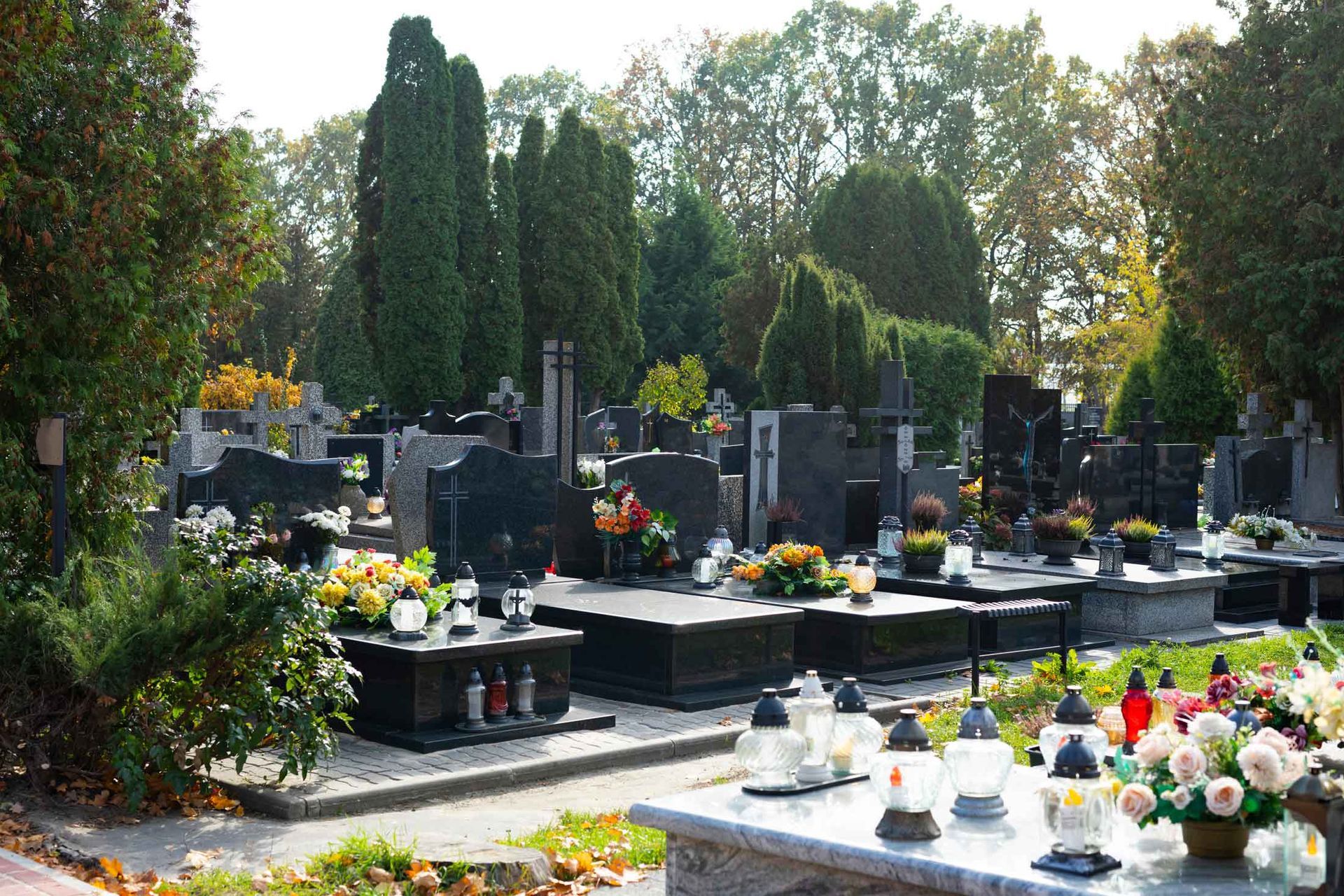
Hazelwood Cemetery was established in April 1879 on 10 acres of Crown land. Today it is a well-maintained site in the Latrobe Valley, near Morwell and Traralgon. The cemetery includes Religious Denominations sections, a Children's Garden, a Remembrance Garden, and Non-Denominational Monumental and Lawn sections.
Each section permits different memorial styles, so understanding what is allowed where is essential. The main types of cemetery memorials include:
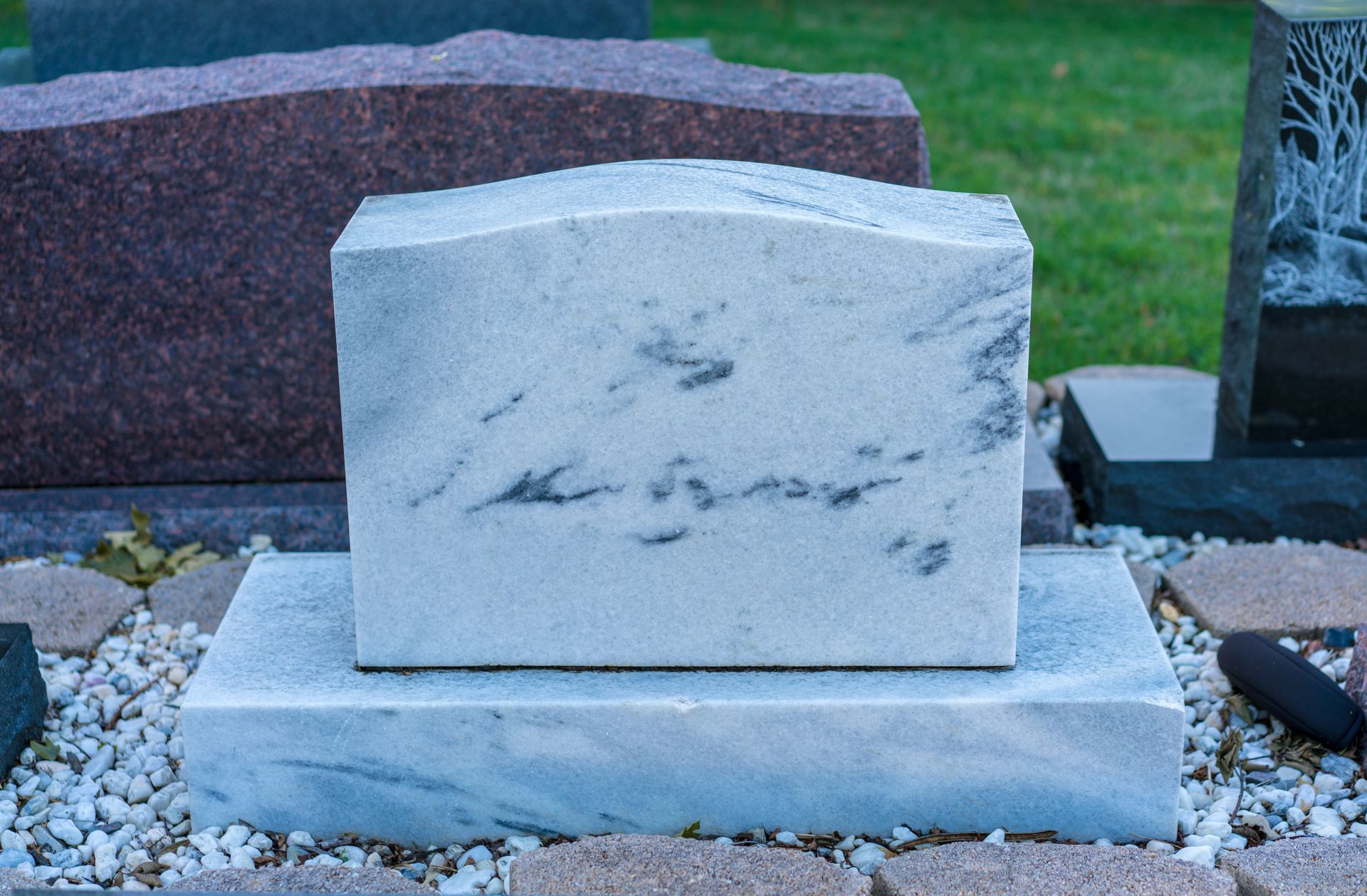
- Upright headstones, which stand at the head of a grave and can feature inscriptions, etching, and decorative details.
- Full monuments, which combine a headstone with a base or kerbing to frame the entire burial plot.
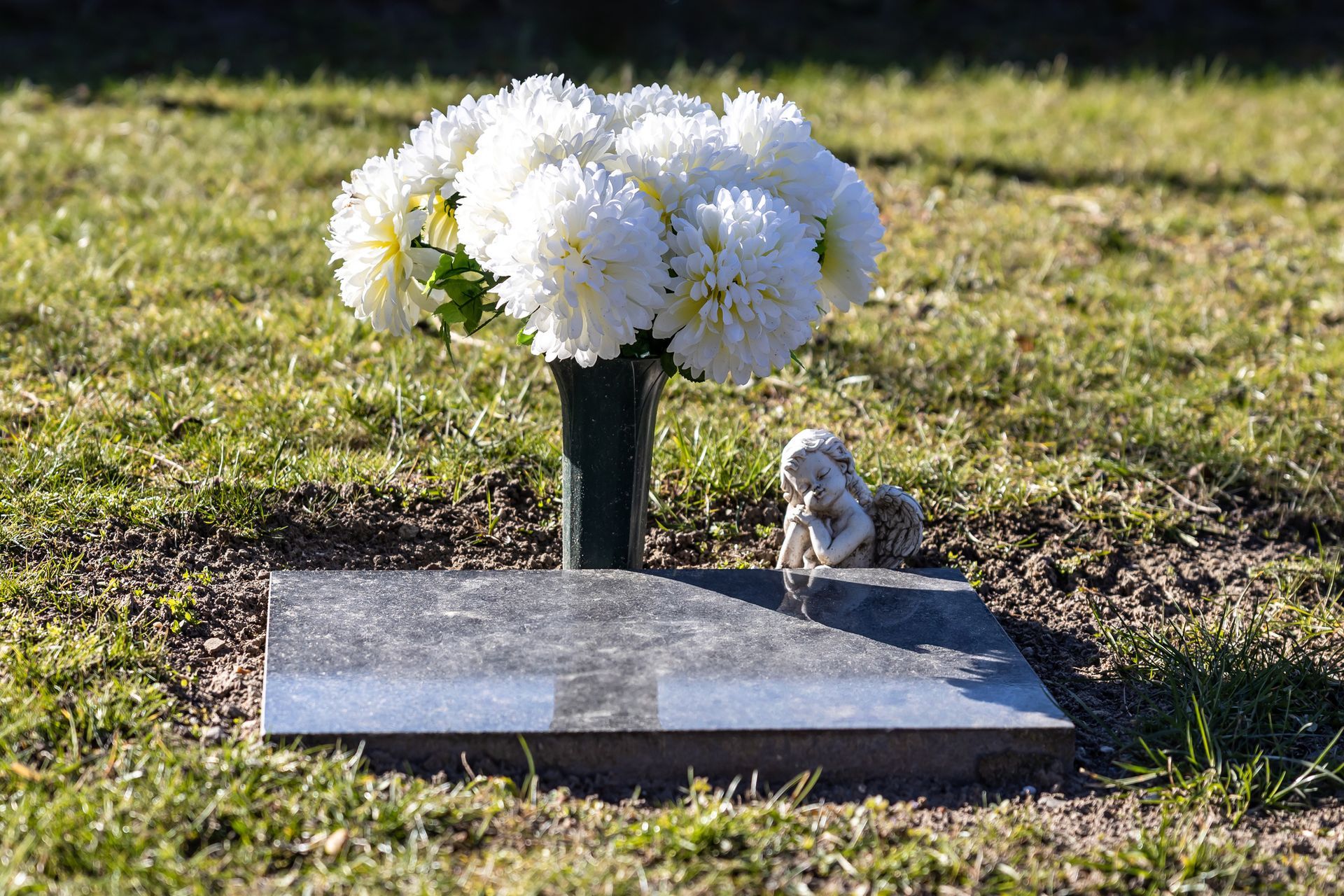
- Flat lawn markers, which sit flush with the ground and are common in lawn sections where mowing access is required.
- Niche plaques, used in the Remembrance Garden for cremated remains.
Granite is the most widely used material because of its durability and resistance to weathering in the Gippsland climate. Memorials of all shapes and sizes, including headstones, full monuments, and foundations, can be supplied and installed for families across the region.
How Do You Choose Between a Headstone and a Full Monument?
The right choice depends on the cemetery section, your family's wishes, and what the Hazelwood Cemetery Trust permits on the plot.
Lawn sections typically require flat or low-profile markers to allow groundskeeping equipment through. Monumental sections give families more freedom to install upright headstones or full kerbed monuments. If your loved one is buried in the Monumental section, a full monument may be the most fitting tribute.
Personal factors matter too. Some families prefer a simple, dignified headstone with a name, dates, and a short inscription. Others wish to include ceramic photographs, bronze plaques, ornamental statues, vases, or other adornments. Memorials can be designed to suit all backgrounds and religions, including Christian, Islamic, Jewish, and Buddhist, which is particularly relevant for the Religious Denominations sections at Hazelwood.
Hazelwood Cemetery Regulations and the Approval Process
Victorian law requires families to obtain approval before installing or altering any cemetery memorial. Understanding this process helps avoid delays and unexpected complications.
You must apply to the cemetery trust before building or altering a memorial. A quote from a stonemason or the cemetery trust is required before submitting an application. The trust will then assess the application and inspect the memorial for compliance once work is complete. A cemetery trust may approve or refuse the application within 45 days, so families should allow adequate time between placing an order and expecting installation.
Trusts typically assess stability, size limits, materials, wording suitability, and compliance with that section's rules. Many also reference Australian Standards for headstones and monuments, meaning even a beautifully designed memorial must meet technical requirements alongside aesthetic ones.
Maintaining a Memorial After Installation
A memorial benefits from periodic care to preserve its appearance and structural integrity. Gippsland's wet winters and warm summers can cause biological growth, surface staining, and minor settlement issues over time.
Services such as cleaning, re-levelling, repairing, patching, pointing up, and regilding lettering are available to keep a memorial looking its best for years to come. It is also possible to add headstones or granite slabs to existing monuments if you wish to update or expand a memorial later. Families who invest in proper upkeep find their cemetery memorials remain dignified tributes for generations.
How Long Does It Take to Install a Cemetery Memorial?
Allow up to 45 days for trust approval, plus additional time for design, manufacture, and scheduling. Your mason can confirm a realistic timeframe.
Can I Add a Ceramic Photo or Ornament to an Existing Memorial?
Yes, though any alteration requires trust approval first. A monumental mason can assess the memorial and submit the application for you.
Are There Rules About What Can Be Written on a Headstone?
Yes. Trusts assess all wording for suitability. Ask your mason before engraving to confirm your inscription will be approved.
Can Memorial Arrangements Be Made in Advance?
Yes. Pre-planning removes pressure from grieving families, allows more time for design decisions, and can be pre-paid.
Talk to a Local Memorial Specialist
Carustone Memorials serves families across Gippsland, including those with loved ones at Hazelwood Cemetery. As the only people you need to contact for the supply, installation, and maintenance of your family's memorial, they manage every aspect of the process from your first design conversation through to trust approval and final installation.
To start a consultation, get in touch with the team or explore the full range of monumental services available for families across the Gippsland region. You can also call (03) 5176 5836 to speak with someone directly.